DJ Light Setup Guide: How to Build Perfect DJ Lighting

March 24, 2026
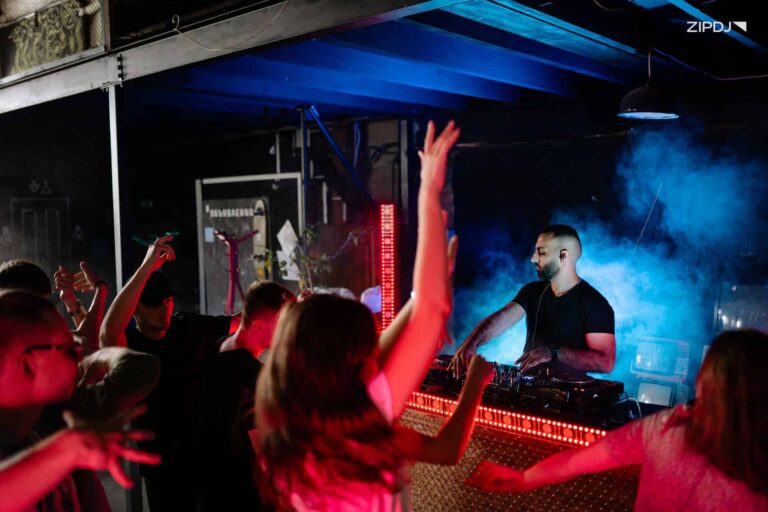
A DJ lighting setup is a combination of lighting fixtures, stands, and control systems used to create a synchronized visual show that enhances the music and energizes the crowd.
Most setups include LED wash lights, effects lighting such as moving heads or lasers, and a DMX controller for timing and automation.
Whether you’re building a budget setup or a professional rig, this guide explains how to build a DJ light setup that delivers professional lighting for any event.

What Is a DJ Lighting Setup, Exactly?
A DJ lighting setup is a collection of lighting fixtures, controllers, and effects used to create a visual atmosphere at events, including wash and effects lighting, along with a control system such as DMX.
What Lights Do DJs Use?
DJs use a combination of lights to create atmosphere, blending intelligent and ambient lights with effect lighting to create a dynamic light show.
This includes LED Par cans for wash lighting, strobe lights, and lasers, often controlled through DMX for optimal synchronization.
Popular lighting brands include entry-level options like Rockville, while professional setups use Chauvet DJ, ADJ (American DJ), and Martin Professional.
Recommended reading: The best DJ equipment.
Types of DJ Lighting
Whether you’re building a mobile DJ setup or creating a setup for a venue’s dance floor, understanding the types of lighting is essential.
Here’s a breakdown of these lighting systems and how they correspond to different DJ services:
LED Par Cans (Wash Lighting)
The base lighting of any setup comes from wash lighting, which provides a broad sweep of color across the dance floor.
Using LED Pars and bar lights, these establish a tonal foundation and mood while ensuring key areas aren’t in total darkness.
Moving Head Lights
Moving heads are versatile fixtures that can pan and tilt at various angles, providing full coverage of the environment.
More common in professional rigs, they allow for dynamic movement and come in beam, wash, and spotlight variations.
Light Bars
A beginner-friendly option for budget DJ performances, light bars are highly portable and easy to set up.
Many models are compatible with DMX software and controllers, making them a popular choice for mobile and wedding DJs.
Laser Lights
DJs focused on mixing dance music can use laser lights to create intricate, colorful patterns in their sets.
Advanced systems may require programming, with safety considerations and adherence to regulations to prevent the risk of eye damage.
Strobe Lights
Strobes are another type of light commonly used in electronic music, typically during high-energy moments such as drops and build-ups.
They’re an excellent tool for enhancing the visual experience of a set, particularly when combined with atmospheric smoke and haze.
Disco Balls
If you’re after a classic effect for DJ events like children’s birthday parties and prom nights, disco balls are highly recommended.
They’re also commonly used by mobile DJs hosting retro events or occasions for older audiences, such as wedding anniversaries.
LED vs. Laser DJ Lights: Key Differences
Lighting technology comes in various forms, with LED and laser lights often used in combination to create visual displays.
Here’s a breakdown of how these light types differ:
| LED Lights | Laser Lights | |
|---|---|---|
| Purpose | Wash & colour effects | Beam effects |
| Coverage | Wide | Narrow |
| Best For | Dancefloor lighting | High-energy visuals |
To achieve the best results, combine LED and laser lights and use a sequencing tool to create visually stunning displays.
Learn more: How to stream your DJ set online.
When Do You Need DJ Lighting?
While professional DJs typically perform in venues with lighting systems, others may need to invest in a dedicated rig.
Here are some scenarios when acquiring DJ lighting is often a prerequisite:
- Offering wedding DJ packages, which include lights, smoke machines, and other accessories.
- Providing mobile DJ services, including a flexible setup for venue spaces without any pre-installed light system.
- Preparing to DJ a house party using a small-scale lighting system.
- DJing at charitable events and DJ fundraisers where no lighting system is available.
- Playing music as a corporate event DJ, pairing lights with other visual displays, such as large screen displays.
When including a light show as part of DJ services, the systems and models used in the lighting rig should be included in a DJ proposal template.
How To Build a DJ Lighting Setup: Step-By-Step
If you’re considering investing in your first lighting setup or upgrading an existing system, there are plenty of options to choose from.
Here’s a step-by-step guide to building a DJ lighting setup that delivers eye-catching visuals that illuminate the dance floor:
Step 1: Understand The Event Requirements
Every DJ set has its own style, whether it’s a casual house party or an underground techno Boiler Room-style livestream.
Understanding the event’s requirements ensures your light show fits in, using colors and effects that match the tone.
If you’re DJing for clients, consult with them beforehand to gather their ideas and incorporate them into your plan.
Step 2: Check Existing Venue Lighting
Checking the existing venue lighting is essential for mobile DJs who are expected to supply additional lighting and visual effects.
While some venues feature the best DJ equipment brands, others, such as function rooms, often have only basic lighting.
Before the event, review what lights you have to work with, then consider how you can control and augment these to match your music.
Step 3: Establish A Budget
Light systems range from affordable options to pro-level systems with programmable patterns costing thousands of dollars.
Determine your budget and lighting requirements, then research the best DJ setups for lighting systems within your price range.
You can also factor in expandability, opting for systems that allow you to add additional lights as and when your budget permits.
Step 4: Start With Wash Lighting (Your Base Layer)
Once you’ve finalized your budget, you’re ready to begin layering the lights, starting with a base layer of wash lighting.
Bar lights, LED Pars, and uplights are all effective for base layers and can be easily repositioned in a space for optimal effect.
Step 5: Add Effects Lighting
With the base layer lights selected, you’re ready to add effects lighting, such as moving heads, lasers, and strobes.
Such lights are synonymous with the best club DJs and can project light beams in rapid succession, timed to the beat.
Additional effects lights to consider adding to your rig include Derby lights, which emit multi-colored beams, moonflowers, and centerpieces.
Step 6: Plan The Lighting Layout
With your array of lights established, you’re ready to plan the overall layout and the accessories required for installation.
Use truss stands to optimize positioning, uplighting walls, and providing illumination behind the DJ booth to make performance easier.
When planning this layout, check with the venue owner to ensure fire exits and other health and safety measures are adhered to.
Step 7: Use A DMX Controller
While most light systems include pre-determined sequences, using a DMX controller or similar hardware is essential for customized displays.
They allow for accurate synchronization with the music, scene control, and impressive automation functions.
If you’re a DJ who performs at diverse events, you can save unique sequences based on the requirements of your clients.
Step 8: Add Haze Or Fog Machines For Atmosphere
Haze and smoke machines are the go-to accessories for enhancing the atmosphere and dynamics of DJ light shows.
With compact and portable options available, the best fog machines offer a notable upgrade to visuals at a relatively low cost.
If your budget permits, high-end models include motorized, multi-directional nozzles and remote control compatibility for nuanced performance.
Step 9: Pre-Program Lighting Scenes
One of the main advantages of systems like the DMX controller is the ability to pre-program a variety of bespoke lighting scenes.
You can start with a warm ambience when guests arrive, building intensity as the dance floor energy peaks.
Pre-programming also allows for dedicated patterns that match your DJ skills, illuminating scratching techniques and other highlights.
Step 10: Test Your Setup Before the Event
Testing your setup before the event is a must to avoid unwanted issues mid-set, whether it’s a technical failure or a missed blind spot in the room.
If you’re recording a DJ set, this test can also be used to check your camera angles and ensure you have coverage of the booth and dance floor.
Once you’ve fixed any outstanding issues and the venue owner has approved the setup, you’re ready to focus on performing your mix.
Related read: The best DJ speakers.
DJ Lighting Setup Ideas
With multiple lighting types available, there’s plenty of scope for unique configurations that effortlessly blend with the music.
Here’s a selection of DJ lighting setups, covering basic arrangements and setups for mobile and professional DJs:
Basic DJ Lighting Setup
If you’re incorporating lights into a home DJ setup or for house parties, consider the following gear:
- 2 PAR lights
- 1 light bar
- Tripod stand
Mobile DJ Lighting Setup
For mobile DJs performing at various functions, this setup will deliver ample coverage with “eye candy” effects on the dance floor:
- 4 wash lights
- 2 moving heads
- Disco ball
- DMX controller
Professional DJ Lighting Setup
Those seeking to emulate the best clubs in the world on a large budget can deliver professional-level light shows with the following equipment:
- Truss system
- Multiple moving heads
- Smoke or haze machine
- Full DMX control system
How Much Does a DJ Lighting Setup Cost?
DJ lighting options span the budget spectrum, from low-cost options to full-range professional setups used in clubs.
Here’s a rough pricing guide for budget-friendly, mid-range, and professional lighting rigs:
- Budget-friendly setup: As with affordable beginner DJ equipment, budget-friendly lighting prices range from $100 to $400 for a compact setup for house parties.
- Mid-range setup: For an intermediate rig package that includes several moving heads, prices range from $500 to around $2,000. You can also use hardware like the Soundswitch Control One as an alternative to the DMX controller.
- Professional setup: High-end lighting for larger venues or high-budget mobile DJ events starts at around $2,000 but can exceed $10,000 with specialized trussing and matrix strobe lights.
Since lighting setups are modular, you can upgrade your rig incrementally, installing the best lights for your music style and preferred venues.
Common DJ Lighting Setup Mistakes
With a vast array of lighting options and orientations, it’s easy to make mistakes when setting up your rig.
Here are some common DJ lighting setup mistakes to be mindful of when building your rig:
- Lights pointing directly into the audience: High-wattage moving head lights can easily dazzle the audience if not set up correctly, particularly when installed in smaller venues.
- Too many effects lights: As with many creative activities, “less is more” often works best, and overloading the audience with effects lights can be messy and uncoordinated.
- Poor cable management: Visible power strips and cables detract from the setup’s professionalism and can create a trip hazard if left unprotected across floors.
If you’re able to test the setup before the event, check the room’s layout and address any issues above if necessary.
Read next: The top 10 DJ tools.
Pro Tips for DJ Lighting
Setting up DJ lighting systems can be complex, especially when multiple different types of lights are being used in combination.
Here are some pro tips for DJ lighting to ensure your setup delivers the best possible experience for the audience:
- Layer your lighting and effects in overlapping sequences that complement one another, rather than using everything at once.
- Sync lighting changes with drops and transitions, pre-planning your mix based on how you want the lights to interact with the music.
- Use haze to improve beam visibility, particularly if you’re DJing in a poorly lit venue with plenty of opportunities for atmospheric effects.
If you’ve created a DJ contract for potential clients, update this as and when you expand your lighting rig with new equipment.
Summary
A DJ light setup combines wash lighting, effects, and control systems like DMX to create a synchronized visual experience.
Whether you’re working with a basic or professional setup, the right lighting enhances energy, improves atmosphere, and elevates your performance.
By building your setup in layers, you can create a scalable system that grows with your skills and gigs.
Not a member ?
Join Today for Unlimited Music Downloads. Visit zipdj.com for more information.