Wedding DJ Packages: Examples, Pricing & How to Structure Them

March 17, 2026
Wedding DJ packages are structured service offerings that outline a DJ’s pricing, performance time, equipment, and optional add-ons for wedding events.
Most packages include music performance, MC services, professional sound equipment, and lighting, with prices typically ranging from $800 to $3,000 or more, depending on the setup.
In this guide, you’ll learn what wedding DJ packages include, how pricing works, and how to structure your own packages to attract more bookings.

What Are Wedding DJ Packages?
Wedding DJ packages are service bundles that outline what a DJ provides for a wedding event.
Most wedding DJ services include:
- DJ performance for 4–6 hours.
- Professional sound system.
- MC/announcement services.
- Dance floor lighting.
- Set-up and breakdown time.
Wedding DJ packages typically cost $800 to $3000+, depending on the DJ’s experience, equipment, and additional services such as ceremony audio or uplighting.
Typical Wedding Package Prices
With marriage rates rising in the United States, there’s a greater demand for professional DJs who deliver high-quality services.
Wedding DJs typically offer a variety of packages that cater to clients’ requirements, often arranged in tiered price ranges.
| Package Type | Typical Price | What’s Included |
|---|---|---|
| Basic | $800–$1200 | Reception DJ + basic sound |
| Mid-Tier | $1200–$2000 | Ceremony + lighting |
| Premium | $2000–$5000+ | Full-day DJ + upgrades |
When setting up your packages, check current wedding DJ rates to ensure your fees and related services are competitive.
Related reading: A guide to DJ prices.
Why Wedding DJ Packages Matter For DJs
Whether you’re an experienced DJ or a newcomer to the scene, a wedding DJ package is the go-to resource for communication with clients.
Here are some reasons why wedding DJ packages matter for DJs looking to build a long-lasting career:
Professional presentation
Potential clients are eager to see evidence of your ability to DJ a wedding, and your package provides evidence that you’re an experienced DJ.
By including images and videos of previous weddings, you can demonstrate your ability to keep the dance floor packed and guests entertained.
Easier sales process
Performing at weddings is a great way to make money as a DJ, and your package streamlines the sales process.
By including clear pricing, contact information, and a booking form, clients can easily make arrangements with minimal friction.
Clear expectations for clients
Before the wedding day arrives, the bride and groom need to be absolutely clear on what DJ services to expect during the reception.
Your package covers everything from the core equipment and add-on services to detailing the wedding songs you refuse to play.
Higher average booking value
Another key benefit of a clear and professional DJ wedding package is its ability to convert more potential clients into paying customers.
As your wedding DJ business expands, these clients can further boost booking rates through positive reviews and testimonials.
What Wedding DJ Packages Usually Include
Most wedding DJ packages include a range of core services, with additional add-ons for higher-tier packages.
Here’s a breakdown of what to include in your wedding DJ package:
DJ Performance
The DJ performance is central to ensuring the wedding day is a fun and engaging experience for all of the guests.
This includes a range of DJ skills, such as mixing songs with transitions, taking requests, and reading the crowd.
MC & Wedding Coordination
Another common service included in wedding DJ packages is making announcements, facilitating transitions between key moments, and guiding the event timeline.
This can also involve coordinating with venue staff throughout the wedding ceremony and liaising with the clients regarding the celebration style.
Sound Equipment
Most professional wedding DJs also provide the necessary sound equipment, including DJ speakers, microphones, and mixers.
Investing in high-quality sound equipment allows the DJ to play music that keeps the dance floor packed throughout the event.
Optional Add-Ons
With various tiers of pricing, most DJs who offer wedding services include additional services for an extra fee, including:
- Cocktail hour music.
- Professional lighting.
- Photo booths.
- Uplighting.
- Live musicians.
By reviewing clients’ musical preferences, you can identify musicians and other entertainers to augment your package offerings.
Learn more: How to make a good playlist.
Key Factors That Influence Wedding DJ Pricing
Establishing transparent and competitive pricing for your wedding DJ services can vary depending on a range of factors, including:
- The DJ’s experience level.
- The event duration and complexity.
- DJing equipment requirements.
- Your travel distance to and from the venue.
- Any additional add-on services the client requests.
Each of these factors can be explained in more detail in the relevant sections of your wedding DJ package.
How To Structure Your Wedding DJ Packages: Step-By-Step
A strong wedding DJ package structure helps couples quickly understand what you offer, how much it costs, and why you’re worth booking.
Here’s how to structure your wedding DJ package to optimize it for all clients and provide clear, transparent information:
Step 1: Define Your Core Wedding DJ Service
The first section of your DJ package should outline the core wedding services available for guests during the wedding ceremony, including:
- Performance hours: Include your setup time before the guests arrive, as well as the time needed to pack away your equipment.
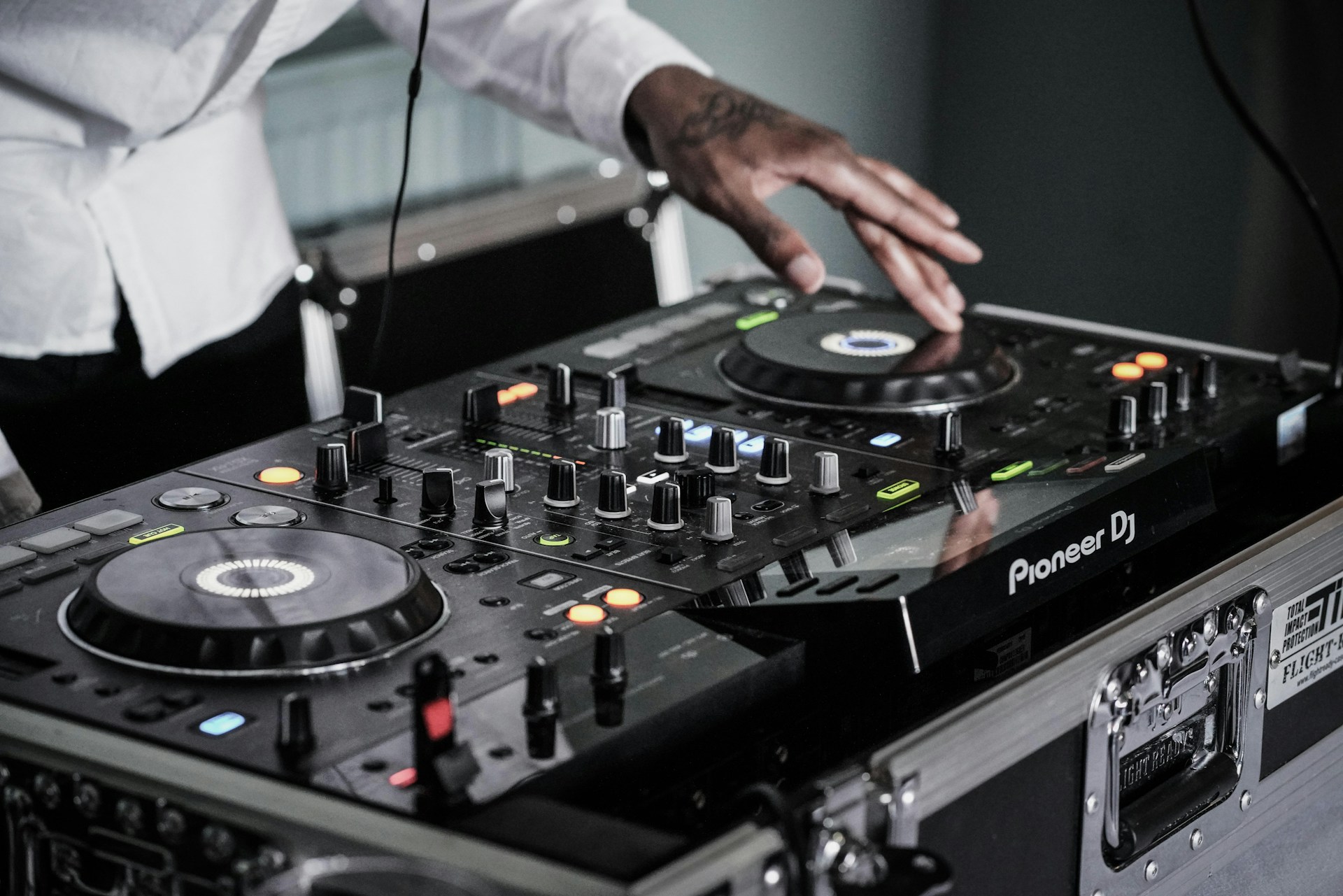
- DJ setup: Outline your complete mobile DJ setup, stating the make and model of your speakers, controllers, and any other equipment.
- Music library: Here, you can break down your DJ playlists for weddings, and you have access to larger music pools to handle requests from the couple and guests.
- MC service: If you offer MCing alongside DJing, include it in your core wedding DJ services.
Keep this section up to date as you expand your core services over time, so it accurately reflects what you’re offering.
Step 2: Set Your Base Pricing
Establishing your base pricing is the next important step on the wedding DJ checklist when setting up a services document, and it should include:
- Hourly rate: This rate should account for more than just the performance itself, including setup, breakdown, and planning time.
- Minimum booking: Performing at smaller weddings or for short time periods may be unfeasible, so include a minimum booking section outlining the baseline package.
- Event duration: As with minimum bookings, many wedding DJs include a minimum event duration in their packages, which also covers fees for any additional hours over the allotted time.
Remember to adjust your base pricing to reflect your growing experience, particularly if your services are in high demand.
Step 3: Build Three Package Tiers
Next, it’s time to begin working on specific tiers, outlining how these packages work and the core services they include.
The primary three package tiers for most experienced DJs who perform at weddings are:
| Package | Goal |
|---|---|
| Basic | Entry-level option |
| Mid-tier | Most popular |
| Premium | Full-service experience |
You can break down the full range of services offered for each tier, updating it as and when you acquire new equipment or other add-on services.
Step 4: Add Optional Add-Ons
Most wedding DJs also include optional extras in their pricing, which can include services like:
- Cocktail hour DJing.
- Uplighting.
- Photo booth.
- Cold sparks.
Outline each of these add-ons individually, including clear pricing and the tiered packages they’re included in.
Step 5: List Your Equipment Clearly
You should also outline your core setup, including the DJ equipment brands and the make and model of other accessories, covering:
- Speakers.
- Wireless microphones.
- Mixer or DJ controller.
- Turntables and CDJs (if used).
- Backup system.
This information provides additional transparency, giving clients a better sense of what to expect on their special day.
Step 6: Define Travel & Coverage Area
While some DJs prefer to stay local for weddings, others offer broader coverage for couples outside their immediate vicinity.
Here are some qualifiers to consider including in your package to reflect travel and coverage area considerations:
- Offer a free travel zone, such as for venues within a 50-kilometer radius of where you’re located.
- Include a mileage fee for any venues outside of your established free travel zone.
- Outline your hotel accommodation policies and any additional fees.
If necessary, you can discuss these with the couple beforehand and make arrangements based on the overall wedding date requirements.
Step 7: Add Planning Tools for Clients
Including planning tools is another core feature every great package should offer, removing as many friction points as possible from the booking process.
Consider adding the following features to your package:
- Song request forms.
- Event timeline planners.
- Online planning portals.
By adding these features to the package, you can avoid issues like DJ walkouts and ensure songs land with perfect timing.
Step 8: Showcase Your Setup With Media
Potential clients are also eager to check out your DJing setup, particularly when planning a wedding at larger venues:
Include media showcasing the following as part of your DJ package:
- Professional photos of your DJ booth, including banners, lighting, and other visual elements,
- Wedding videos from previous events, showcasing your DJing in action.
- General setup images, showing your equipment layout and professional setup in the context of a live performance.
You can choose clips that incorporate the best wedding songs, which helps create a clearer impression of real-world performances.
Step 9: Add Testimonials & Reviews
If you’ve already DJed at a wedding and had a great response from the couple and guests, consider adding testimonials and reviews to your package.
For additional outreach, share these testimonials and reviews, or ask your clients to do so, on platforms like:
- Google.
- WeddingWire.
- The Knot.
If you receive negative feedback, reach out to the client and politely ask about their concerns to seek an amicable resolution.
Step 10: Make Booking Easy
Lastly, your DJ package for wedding services should include multiple options for making a booking for an upcoming wedding, including:
- Contact form.
- Phone number.
- Social media links.
- Online booking calendar.
These can be paired with the best scheduling apps to further streamline bookings, allowing you to focus on track selection and promotion.
Further reading: The 10 best DJ setups.
Wedding DJ Package Template
With multiple tiers to consider and a range of specific requirements for wedding couples, it’s important to outline a variety of tiers.
To help you get started creating a DJ package for your wedding services, here are some basic templates for different types of packages:
Basic Package
For a basic package that offers a core set of services on a budget, consider the following structure:
- 4 hours of DJ service.
- Professional-grade speakers and equipment.
- Basic lighting.
- MC services.
Popular Package
For general all-round packages that cover the full day with additional consultation and services, here’s a template to work from:
- 6 hours of coverage.
- Ceremony DJ performance.
- Dance floor lighting and effects for atmosphere creation.
- Wedding planning consultations.
Premium Package
If you want to expand your services for VIP clients, this premium package template provides a strong foundation to use:
- Full-day extended coverage.
- Ceremony + cocktail hour.
- Enhanced lighting or AI lighting.
- Photo booth provision and other interactive elements.
Essential read: Single vs. multi-source DJ music sources.
Tools & Resources
Landing new clients can be a challenge, but there are plenty of tools and resources you can use to get wedding DJ gigs and build word of mouth.
Here are some examples of software and other useful resources you can use to establish your wedding DJ business:
- Planning portals: Wedding clients often have songs they want to hear during special moments, from the first dance to cake cutting and the couple’s grand entrance. Planning portals like Vibo and DJ Event Planner allow for the creation of customized playlists that accurately reflect their musical preferences.
- CRM tools: Customer Relationship Management tools like HubSpot and HoneyBook are excellent for tracking clients’ experience, inquiries, quotes, the wedding date, and other aspects of consultations.
- Booking systems: There are many robust booking systems DJs can use for weddings, with platforms like Calendly and Tave including features for digital contracts, deposits and payments, and invoice automation.
- Pricing calculators: Software like DJ Event Planner includes features that calculate travel costs to the destination where weddings are hosted, equipment costs, and comparisons with other vendors’ services.
You can begin with free trials and explore how each tool works before investing in subscriptions for those that deliver consistently reliable results.
Summary
A well-structured wedding DJ package helps you clearly present your services, justify your pricing, and convert more inquiries into bookings.
By creating tiered packages, offering clear add-ons, and showcasing your experience, you can build a more professional and profitable DJ business.
Not a member ?
Join Today for Unlimited Music Downloads. Visit zipdj.com for more information.