How to Become an EDM DJ in 2026: A Step-by-Step Guide

September 2, 2025
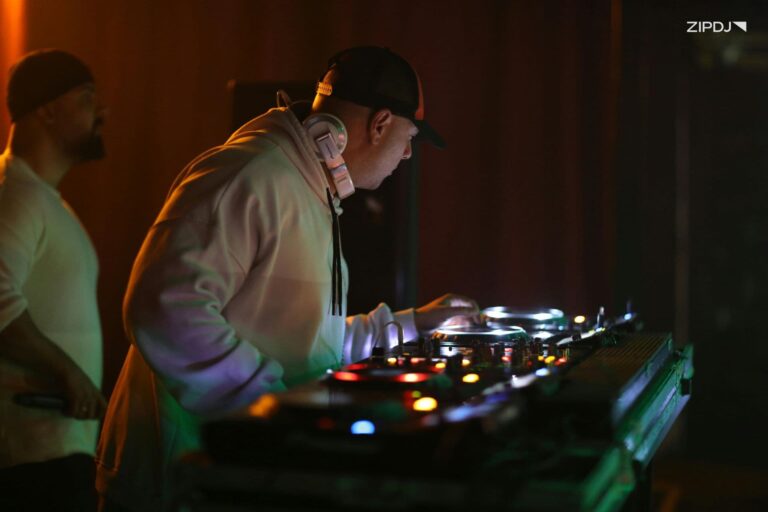
Electronic dance music has exploded into one of the world’s biggest music scenes, filling clubs and festivals across the globe.
Today, becoming an EDM DJ is more accessible than ever, with affordable gear and instant access to endless tracks.
If you’re ready to step into the booth, this guide will walk you through everything you need to know to start your journey.

What Does EDM Stand For?
EDM stands for “electronic dance music,” a broad term for a style of dance music that has become increasingly popular.
The concept has different interpretations, with some classifying EDM music as a broad term that encompasses multiple sub-genres.
Under this definition, EDM and house, techno, dubstep, and other genres are interchangeable expressions of the same style.
In addition to being an umbrella term for all electronic genres, EDM sometimes references more specific commercial dance music.
Here, EDM is more closely associated with popular music, with a radio-friendly style and a high level of studio production polish.
By understanding these distinct definitions, you can approach EDM DJing with a clear understanding of modern music trends.
The Role of An EDM DJ
EDM artists share many attributes with artists from other genres, with the art of DJing remaining essentially unchanged.
Here’s a brief breakdown of the role of an EDM DJ and how you can develop a signature style when you perform live:
- Using technical skills to create a continuous flow: Foundational to breaking into the EDM scene is the ability to make a DJ mix that resonates with audiences. This involves mastering DJ software and hardware, as well as incorporating smooth transitions to achieve a continuous flow.
- Mastering the dance floor and responding to the crowd: As crucial as mastering DJ equipment is, mastering the crowd is an equally vital aspect of the EDM DJ’s role. This allows DJs to build anticipation and momentum, selecting tracks that keep the dance floor moving.
- Discovering and promoting unique and new releases: The role of EDM DJs as music curators is a quality that draws fans to their performances. Successful EDM DJs are up to date on the latest tracks, with their finger on the pulse of emerging artists.
Following music industry trends and the latest new releases will enable you to stay relevant as a DJ and secure more gigs.
Learn more: How to become a DJ.
Why Become An EDM DJ?
If you’re passionate about electronic music, becoming an EDM DJ is an excellent way to earn money while sharing great tracks.
Here are some other benefits of becoming an EDM DJ and building a viable, long-lasting career:
- Broad commercial appeal: EDM artists draw on a range of influences, delivering a broad commercial appeal with an enormous target audience. This makes it much easier to get your DJ sets heard through online platforms dominated by fans of the genre.
- Accessing business opportunities: This immense popularity also makes EDM artists highly sought after, with numerous business opportunities in the field. These opportunities encompass a range of activities, including collaborations, music production, and generating revenue through merchandise and physical media.
- Low skills barrier to entry: The genre is one of the most approachable for new DJs, with EDM’s BPM and harmonic simplicity making it easy to learn. Once your confidence grows, you can incorporate other genres, such as hip-hop, to give your DJ sets a unique sound.
With the EDM industry continuing to grow, it’s among the most popular types of DJ for making money and performing in the best venues.
How To Become An EDM DJ In 2026: Step-By-Step
Starting a musical journey is an exciting time, with numerous resources and tools available to help you learn EDM DJing.
Let’s break down how you can become an EDM DJ from scratch, exploring the best software, DJ controllers, and music acquisition resources.
Step 1: Define Your EDM Niche
Before you can begin building a library and performing practice sessions, you’ll need to determine your musical style and niche.
As we’ve touched on above, EDM can refer to a comprehensive range of sub-genres or a more focused definition of mainstream music.
By deciding which style you want to play, you can find out where DJs get their music, from the major artists to essential record labels.
This lays the foundation for building and organizing your playlists, ready to focus on mastering the art of DJing.
Step 2: Study Your Favorite EDM Artists
With an EDM niche established, it’s time to research your favorite EDM artists and their approach to selecting and performing songs.
Many of the best EDM DJs post their live sets online, with YouTube and SoundCloud being popular platforms to check out.
Watching their performances will give insights into their mixing techniques and on-stage personas, which you can use for inspiration.
They’re also often happy to share their insights into recommended artists and labels you can use when building your music library.
Discover more: DJ set Vs. DJ playlist.
Step 3: Invest In The Best DJ Equipment
Choosing the best equipment for EDM DJing can be overwhelming, with multiple brands producing hardware and software to consider.
Your budget will primarily influence your choice of equipment, but the best home DJ setup ideas don’t have to break the bank.
When researching your favorite EDM artists, pay attention to the mixing techniques and equipment they use to deliver impressive mixes.
If your budget is limited, consider starting with DJ software for beginners to learn the basics before upgrading to pro-level tools.
Step 4: Begin With Basic EDM Mixing Techniques
Once you’ve invested in DJ controllers and compatible software, you can begin the process of learning the basic DJ techniques.
Start by beat-matching using tracks you’re familiar with that use a similar tempo, and explore your mixer’s EQ and volume features.
As the controls become more intuitive to use, you can expand your repertoire of basic DJ transitions and explore new skills.
If you’re struggling, consider checking out YouTube tutorials, which break down techniques for your preferred hardware and software.
Step 5: Develop Advanced Technical Skills
Having mastered the core skills needed for fundamental transitions, you can start developing a robust understanding of advanced techniques.
Such techniques range from multi-deck mixing to complex tempo transitions and harmonic mixing for blending melodies.
Other advanced techniques often used by professional EDM artists include polyrhythmic transitions and infinite looping.
By building out a comprehensive skillset behind the decks, you can also explore mixing with different sub-genres in your sets.
Step 6: Consider Learning Music Production
Many of the most successful EDM artists, like Calvin Harris, are as capable in the studio as they are performing behind the decks.
While becoming a music producer won’t happen overnight, it’s highly recommended for anyone looking to expand their career options.
If you don’t have any production experience, you can begin by making beats using samples from popular music you love.
This can be easily achieved on production apps without needing to invest in expensive digital audio workstations.
As your production skills improve, you can work on edits and remixes before attempting completely original songs.
You can also streamline the learning process by working with other artists and musicians who can bring their own insights to projects.
Step 7: Build Your Brand Identity
Most people who start out DJing for fun soon consider the viability of setting up a DJ business for consistent earnings.
To achieve this, you’ll need to develop your brand identity by creating assets that accurately reflect your DJing style.
Building a DJ brand can be streamlined with free design tools, which can be used for creating logos and other brand elements.
Once you’re happy with the designs, you can use them on your social media pages, DJ website, and other platforms.
They’ll also be vital for any DJ marketing strategies you engage in, whether handing out flyers or paying for ads through online platforms.
Step 8: Collaborate With Other Artists
Building up a network of like-minded EDM artists serves a range of purposes, from landing more gigs to developing artistically.
It’s a strategy frequently employed by top club DJs, who host collaborative events in clubs and at the world’s leading festivals.
Start by reaching out to other DJs in your local scene and see if they’re interested in hosting an event.
This could be a small party or local club gig, performing a back-to-back DJ set, or creating an event schedule.
Alternatively, if you have musical skills, you can consider complementing DJ sets with live music performances.
Also read this: The 10 best clubs in the world.
Step 9: Promote Your Music On Social Media
When you’ve reached the stage where you’re ready to perform live, it’s time to promote your music event online.
Social media, in particular, is pivotal to successful event promotions, with Facebook’s Events feature being particularly popular among DJs.
Such platforms are also effective for creating a stronger sense of engagement with the audience and gathering post-gig feedback.
With social media’s significant impact on electronic dance music, these platforms shouldn’t be overlooked.
Step 10: Network With Music Industry Pros
Once you’ve established a presence in a local club scene or online platforms, you can consider reaching out to industry professionals.
This outreach is a crucial process for building a DJ career and showcasing your talent to the right people.
You can create a press kit or DJ profile for booking agents and venue owners, along with links to social media and your online DJ sets.
If you’re experienced as a DJ in clubs, be sure to include high-resolution images and videos of your performances behind the decks.
Entering professional DJ spaces requires patience, so don’t be discouraged if your messages don’t elicit instant responses.
The key is to persevere, continually refining your DJing techniques and networking with EDM industry contacts.
If you know how to use a digital audio workstation and have a collection of original tracks, you can share these with your contacts.
Equipment Every EDM DJ Needs
Before you can start planning for your first DJ set, you’ll need to invest in the necessary equipment for EDM DJ performances.
Here’s what you’ll need to get started and make the most out of your EDM DJing journey:
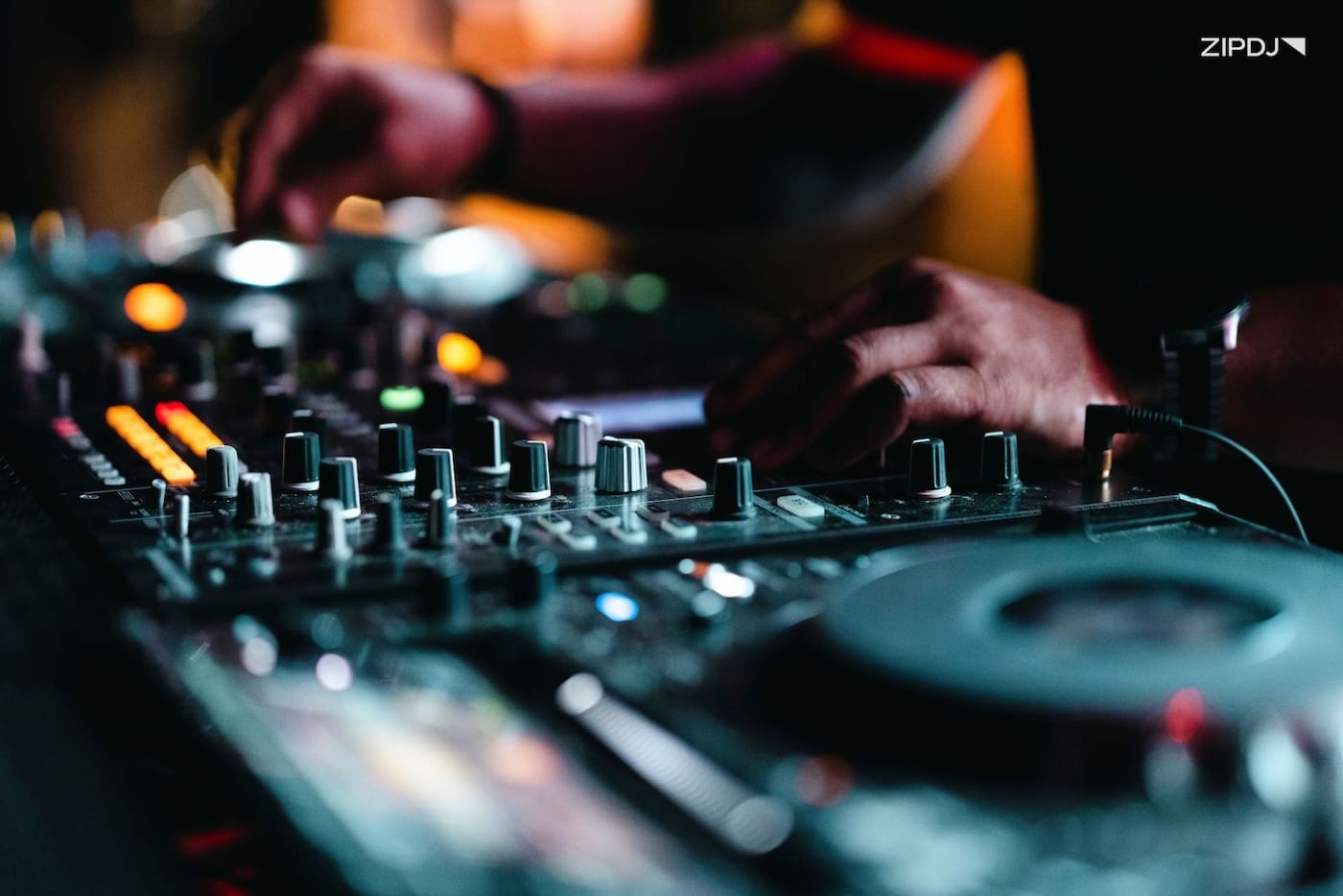
- DJ controller: Serving as the EDM DJ’s primary interface, DJ controllers incorporate complete mixing tools and work alongside a laptop and software.
- DJ mixer: If you’re using CDJs or turntables, the best DJ mixers offer in-depth mixing features, with filter passes, effects, and other advanced tools.
- Laptop and DJ software: In the digital age, many EDM artists favor DJing software, with Rekordbox and Serato DJ Pro among the music industry standards.
- Headphones: Monitoring incoming and outgoing tracks during transitions requires high-quality DJ headphones to deliver smooth performances.
- Speakers: DJing also requires speakers, both aimed toward the crowd and, if performing in large venues, monitor speakers to help DJs in the booth.
If you’re on a tight budget, consider purchasing entry-level or old DJ equipment to save money for building your music library.
Related read: The best DJ equipment.
EDM DJing Tips & Resources
Mastering the craft of EDM DJing requires hard work and perseverance, but there are resources you can use to streamline the process.
These EDM DJ tips will enhance your learning experience and create a comprehensive library of outstanding tracks:
- Utilize online learning resources: There’s an abundance of learning resources available for EDM DJs, ranging from YouTube video tutorials to blog posts and courses. The best DJ tutorials will streamline your learning process, so you can focus on playing tracks you love.
- Explore music discovery websites: Building an extensive library of high-quality tracks is much easier when utilizing the best music discovery websites. These cover everything from mainstream tracks by Calvin Harris to niche underground artists.
- Understand the audience’s tastes: As your experience with Ding EDM grows, you’ll begin to notice the most requested songs from the audience. This experience will make it easier to connect with the crowd and play tracks they appreciate.
DJs can save money by subscribing to a DJ pool, allowing them to access new and exclusive releases without breaking the bank.
Summary
With endless tracks to choose from, EDM DJing opens up limitless opportunities for creativity and self-expression.
Free software and affordable music libraries have made EDM one of the most accessible and popular genres for new DJs.
By applying the skills and techniques from this guide, you’ll be well on your way to building impressive sets that captivate your audience.
Not a member ?
Join Today for Unlimited Music Downloads. Visit zipdj.com for more information.