DJ Set Vs. Playlist: Key Differences Explained

August 28, 2025
The terms “DJ set” and “DJ playlist” are often used interchangeably, but there are key differences to be aware of.
Both play a pivotal role in the DJ’s process, helping them to select and organize their music library and create unique performances.
This guide explores the key differences between a DJ set and a DJ playlist, as well as their respective roles in your musical journey.

What Is A DJ Set?
A DJ set is a continuous flow of music performed using dedicated DJ equipment, allowing for seamless and smooth transitions.
Understanding what a DJ set is lays the foundation for mastering the art form, whether playing electronic dance music or pop classics.
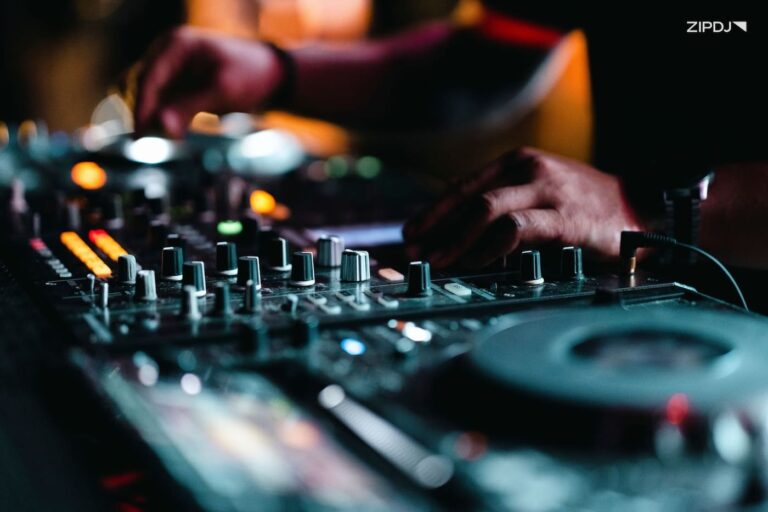
Fundamental to any DJ set is the DJ mixer, through which track volumes and frequencies are blended using knobs and sliders.
While the concept draws on technical aspects related to production, there are key differences between DJ sets and live sets.
Live sets utilize real-time processes for percussion and melodic performances that go beyond the function of typical DJ software.
Related read: My first DJ set.
Characteristics Of A DJ Set
DJing is a highly flexible art form that reflects the equally diverse selection of music available for performances.
With that said, most DJ sets share several characteristics, from general blended transitions to the way the DJ mixer manipulates tracks.
There are many mixing techniques used for transitions that use beat matching as the foundation to keep tracks aligned.
Such transitions range from simple volume fades to more complex applications of EQs and effects to create fluid and dynamic mixes.
While electronic dance music mixes often emphasize drums and basslines, other genres lend themselves to harmonic mixing techniques.
Beyond transitions, DJ sets are also influenced by fluctuating energy levels, used to animate the crowd with peaks and troughs.
These characteristics apply to all DJs, from professional DJs in a major club to individuals mixing for fun in their bedrooms.
What Is A DJ Playlist?
A DJ playlist is a dedicated selection of tracks used by DJs when planning and preparing for an upcoming live performance.
DJ playlists share many similarities with playlists created for personal enjoyment on platforms like Spotify, TIDAL, and Apple Music.
Indeed, with new tools that allow people to DJ with Apple Music emerging, the line between personal and DJ playlists is increasingly blurred.
The main distinctions include the intended audience, with DJ playlists designed to keep people dancing in venues.
For professional DJs, this often involves liaising with clients to ensure their favorite songs are featured in the mix.
Recommended reading: The best DJ playlists for parties
Characteristics Of A DJ Playlist
There are several tried-and-tested strategies that DJs use to create a good playlist that resonates with their audience.
Here’s an overview of the characteristics of an excellent DJ playlist that delivers outstanding results:
- A coherent theme and mood: Whether you’re focused on electronic music or DJing at a wedding, reputable DJs build playlists with a cohesive theme. This applies to all genres, from classic house music to hip-hop and commercial pop.
- Dynamic use of energy: Managing a crowd is all about building and maintaining energy levels that form a musical experience. A great playlist incorporates an energy curve that builds anticipation and maintains momentum.
- Providing room for adaptability: Putting together a stunning DJ set means being able to switch things up on the fly. This can be playing the most requested songs or adjusting the tempo to get the crowd excited.
By refining your library and adding relevant tags, you can include tracks that showcase your musical knowledge and tastes.
How To Structure A DJ Playlist
If you’re creating a pre-recorded set or preparing to mix music live, it’s essential to structure your DJ playlist beforehand.
Follow these tips on playlist structure to become a DJ who delivers a lasting impression on the audience:
- Start with your core tracks: Most DJs begin structuring their playlists with a selection of core tracks in mind. You can use these tracks to form the key points in your DJ set’s structure based on their BPM range and key.
- Identify the energy level and tempo of songs: Once your core tracks are in place, you can start building the list out with additional music. Check their energy level, tempo, and other attributes to position them where they work best.
- Incorporate any new music you’ve found: If you’re a gigging DJ, adding new music is vital for keeping your mixes fresh and current. You can access new tracks by subscribing to a DJ pool, which offers regular exclusives for DJs.
- Add key tracks for peak time and closing: Every DJ set is built around several key moments, from the opening track to the final closing song. By identifying the best tracks for these moments, you can structure other tracks around them.
Once your playlist is ready, you can also share it as a curated Spotify playlist to share with your fans online.
DJ Set VS. DJ Playlist: Key Differences
Understanding the key differences between a DJ set and a DJ playlist allows for a streamlined and creative workflow.
Here’s an overview of these differences in more detail, and how each concept can be used to expand your DJ content ideas.
General Format
The first significant difference between DJ sets and DJ playlists is the general format used for each process.
As discussed, for DJ sets, the format involves a continuous flow of uninterrupted music, with the music mixed using DJ gear.
In contrast, DJ playlists are a form of song listing with a specific order of arrangement, with gaps between tracks.
Individual Tracks Vs Continuous Flow
The flow or otherwise between one track and the next is another key difference between DJ sets and DJ playlists.
In general, DJ playlists can be played back as individual tracks without any blending or other mixing processes.
Once the DJ has finalized the selection, this interrupted approach will become a continuous flow when performing the music live.
With that said, some streaming services have started including DJ mixing tools that introduce elements of DJ mixing to their customers.
While these lack advanced tools like DJ stems, they’re fun alternatives to dedicated DJ software that can balance tempos and fade volume levels.
Pre-Made Track Selection Vs Live Performance
Another core difference between DJ sets and DJ playlists is their application as either pre-designed experiences or live performances.
DJ playlists, like standard playlists, are great for DJs to assess new songs and try them out in their DJ practice sessions.
They’re also ideal for thoroughly assessing tracks for mixing compatibility, ensuring one track blends well into the next.
This analysis enables DJs to effectively organize their music library, tagging tracks and filtering them by tempo and other attributes.
By gaining a deeper understanding of playlist tracks, DJs can refine their performances and engage a live audience.
Also read this: How to isolate vocals
Fixed Music Compilation Vs Creative Improvisation
Another important distinction between the two concepts is their degree of fixity and the room for experimentation they allow.
Once a DJ playlist has been created, there’s no obligation for the DJ to follow it strictly if other tracks are expected to yield better results.
A key aspect of live performance is the ability to switch up the next track if the audience needs a boost of energy.
The DJ may have discovered new music since creating the original playlist, adding a new song they’ve recently found.
A DJ set also offers flexibility when advanced DJ techniques are employed, capitalizing on the different keys of tracks in a music library.
Playlist Creation Platforms
We’ve touched on the distinction between a regular playlist and a DJ playlist, both of which have unique applications.
When creating a DJ playlist, most DJs use dedicated DJ software, such as Rekordbox or Serato DJ Pro, to manage their best DJ songs.
For personal listening, most people choose to make a playlist on YouTube, Spotify, or another streaming platform.
Using Playlists In A Live Set
If you’re new to the art form and working on a DJ set for beginners, there are practical ways you can use playlists in the process.
Here’s an overview of how to optimally use playlists when planning and performing a live set:
- Gather a comprehensive music catalog: Building a diverse selection of music provides the foundation for any playlist, whether it’s for club mixing or mobile DJing. Draw on multiple resources when acquiring music, including paid digital downloads, DJ pools, and physical media.
- Build up core playlist blocks: As your playlists expand, you can start creating core blocks, compiling two or three songs you love into clusters. These blocks will help you to approach your DJ set structure with must-play songs already included.
- Utilize metadata and library management tags: Music catalog management software often includes robust tools for organizing songs by various factors. Use these tools to organize music by song’s BPM, key, and other values, or use tags to note their mood and style.
- Practice your DJ sets: Practice makes perfect, and if you’re new to DJing, you’ll need to hone your mixing skills and confidence when performing. Practicing also allows you to hear your playlist in its proper context, refining and improving the selection and structure.
- Add room for spontaneity: While playlists are excellent for structuring DJ sets, they shouldn’t be entirely fixed in stone. Once you’re in the midst of a performance, allow room for spontaneity when reading the crowd.
As your experience as a DJ grows, you’ll become less reliant on pre-made DJ playlists and be able to dip into your archives more freely.
Read this next: 10 songs every DJ should have
How To Choose Between A DJ Set And A DJ Playlist
DJ sets and DJ playlists both have a place in a DJ’s workflow, whether planning a house party or a professional gig.
Let’s break down the various situations when choosing a DJ set makes sense:
- Performing for public enjoyment: DJ sets are designed for public consumption, whether you’re DJing venues or pre-recording mixes to share on platforms like Soundcloud. This can fundamentally impact your song selection, particularly when DJing at weddings and other private events.
- Creating an interactive experience: Gigging DJs use sets to engage with a live audience, often adjusting their song selection on the fly. Such interactivity is also enhanced when DJing for private events, such as birthday parties.
- Seamlessly blending multiple tracks: Creating a continuous flow is the beating heart of DJ mixing, keeping the atmosphere moving.
- Earning money as a DJ: While it is possible to monetize playlists, paid DJ sets in bars, clubs, and other venues are considerably more profitable. Many DJs incorporate multiple types of events in their schedule to maximize potential revenue.
Alternatively, here are some scenarios when DJ playlists are more relevant:
- Reviewing songs to prepare for a live set: With thousands of new releases every month, many DJs utilize playlists to stay up-to-date with the latest music trends.
- Music for commuting and exercising: DJ playlists, such as the curated lists on Spotify, are excellent resources for daily activities. Hitting the gym or commuting to work is also perfect for reviewing songs for upcoming DJ sets.
- Background music for gatherings: Not all events require a dedicated DJ, and a DJ playlist can be a suitable substitute for a full-blown mixing session. Dinner parties and other gatherings with lots of conversation can benefit from a well-selected playlist in the background.
With features like Spotify Mix introducing DJ mixing features, playlists are playing a larger role in how DJs plan their set lists.
Summary
Crafting a killer DJ playlist goes hand in hand with delivering a DJ set that truly connects with your crowd.
The best DJs keep their playlists fresh with new tracks and exclusives, ensuring every set lights up the dancefloor.
By staying ahead of music trends and mastering your DJ gear, you’ll keep your performances sounding original and unforgettable.
Not a member ?
Join Today for Unlimited Music Downloads. Visit zipdj.com for more information.