What Is a DJ Set? A Complete Guide for Beginners

July 15, 2025

Most people have experienced a DJ set in their lives, whether as background music in a bar or in a club, or while hitting the dance floor.
So what is a DJ set, and how can you approach putting one together using DJ software to share a selection of your favorite tracks?
This guide breaks down the DJ set, exploring what DJs use when performing a DJ set and the best places to find outstanding music.

What Is A DJ Set? DJ Set Definition
A DJ set is when a DJ performs a curated selection of pre-recorded music in sequence, using dedicated tools to create a seamless flow.
They can take place in a range of locations, from DJing a house party to venues hosting performances by professional DJs.
DJ sets are also sometimes pre-recorded and released online through streaming platforms or distributed as mix CDs.
They cover all types of music genres, with DJs typically using a range of mixing skills to blend and transition between the songs.
Read more: The Art of DJing.
DJ Set Equipment
Before you can perform a DJ set, you need to invest in the necessary DJ tools used for playing songs in a seamless flow.
Here’s a brief overview of the equipment needed to create DJ mixes across a wide range of genres:
- DJ controllers: A DJ controller is the most common tool used by DJs, incorporating a DJ mixer and multiple channels that play and blend tracks. There are plenty of affordable options, along with high-end models packed with cutting-edge features.
- Headphones: A good pair of DJ headphones is essential for monitoring incoming and outgoing tracks to ensure beat matching and blending are accurate.
- DJ mixer: The DJ mixes tracks using a mixer, adjusting frequency ranges, introducing effects, and altering volume levels. If you’re DJing hip-hop, mixers with a flexible and responsive crossfader are a must.
- Microphone: Some types of DJs use a microphone to make announcements and take requests for the best DJ songs from the audience at events.
- DJ software: Managing music libraries and interfacing with controllers requires DJ software, which is often associated with particular manufacturers. You can also use basic DJ software on smartphones for casual mixing on the move.
Before investing in gear, research the best DJ equipment for your particular style of music and intended audience.
Related read: How to become a famous DJ.
Types Of DJ Sets
DJing is a broad art form that covers live performances in a range of settings, each with its unique approach.
In addition to niche DJ sets like coffee shop raves, here are the more common situations where DJs play music to a crowd.
Club DJ Sets
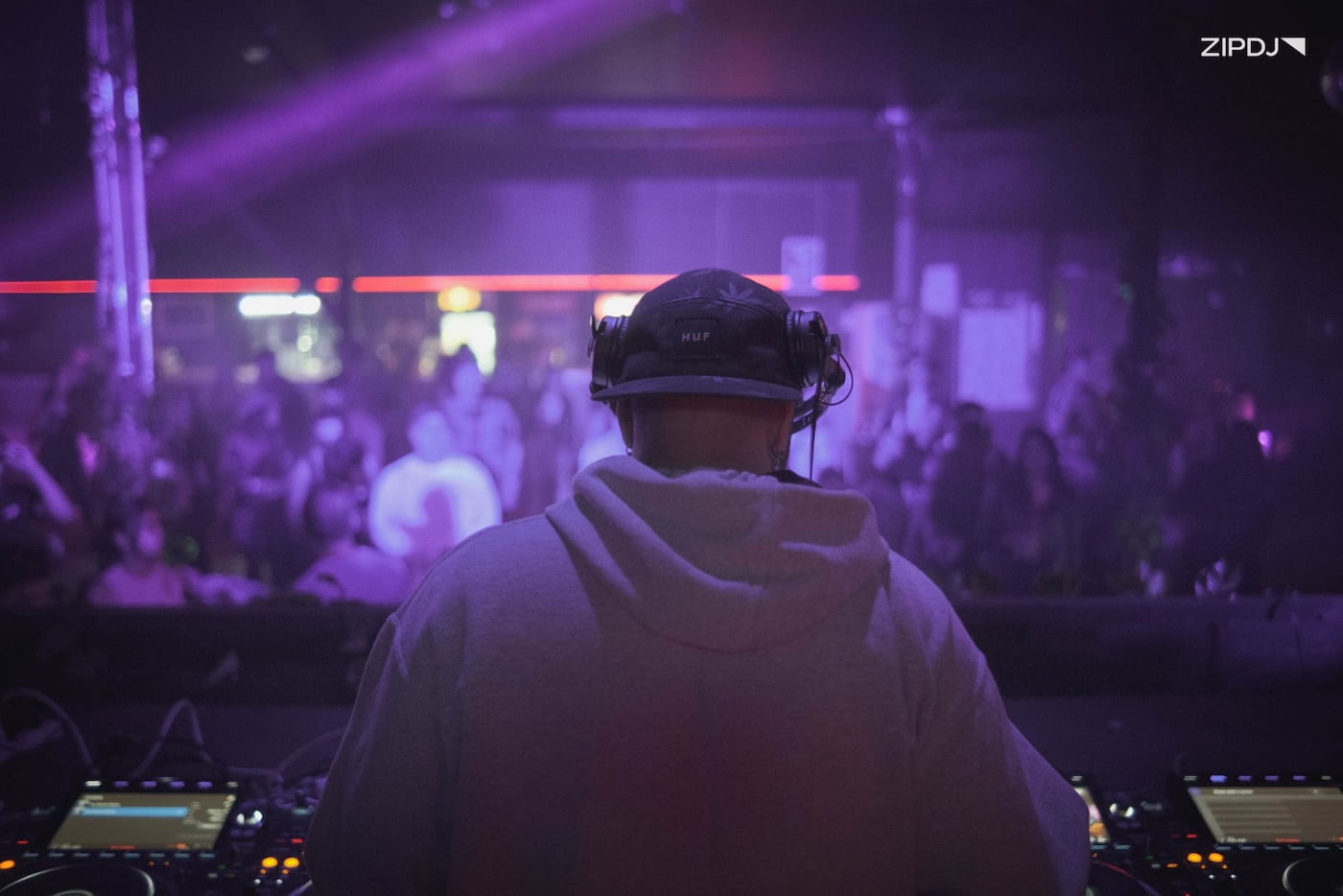
The most well-known type of DJ set is performed in nightclubs by professional DJs who perform to audiences on the dance floor.
Many of the best club DJs are household names, often working as producers and collaborating with major pop stars.
Festival Sets
Club DJs often expand their performances into festivals, playing sets to thousands of people dancing worldwide.
It’s a scene where the richest DJs dominate the line-up, such as at festivals like Coachella, Tomorrowland, and Creamfields.
Mobile DJ Sets
Mobile DJs are another type of professional DJs who gig locally, often for weddings, corporate events, and birthday parties.
They use various promotional tools to get wedding DJ gigs, often providing a sound system and other entertainment for guests.
Radio DJ Sets
The radio DJ plays sets on air, whether on standard AM/FM radio stations or satellite and digital radio stations.
You may need qualifications to become a radio DJ, or you can set up an online radio show to share your music selection.
Turntablist DJ Sets
Traditional turntables remain popular among DJs looking for obscure songs, as well as DJs who enter turntablist competitions.
This format uses vinyl records, which can be used for scratch DJing with a more tactile and authentic feel compared to controllers.
DJ Set Vs Live Set
While DJ sets and live sets share several aspects in common, there are key differences that distinguish the two types of performance.
Here’s an overview of how a DJ set and a live set differ from one another:
- Types of equipment used: Understanding what DJs use provides a basic foundation for live sets, but the latter incorporates a broader variety of equipment. In addition to using mixers, live sets incorporate items such as drum machines, synthesizers, and various traditional instruments.
- Level of musical skills required: While DJing requires an ear for rhythm and melody, live sets typically involve artists performing their own music and arrangements. Performances by music producers like Daft Punk use a range of hardware to play their music live.
- Frequency of performances: Many DJs, particularly resident DJs, frequently perform for audiences at various venues. In contrast, music played live tends to be more selective in its schedule, with a limited run of performances.
Deciding whether to include live elements in your shows will help you create a DJ checklist that covers everything you need.
DJ Set Resources
Whether you’re creating a DJ set for beginners or honing your professional skills, there are plenty of resources you can use.
Here are some popular resources used by DJs to build libraries of new music and enhance their mixing abilities:
- DJ pools: An excellent resource for electronic dance music DJs, DJ pools regularly update with new music from the hottest labels and producers.
- Online music stores: DJs use online stores like Beatport and Bandcamp to purchase individual tracks to use in their sets.
- DJing courses and tutorials: The DJ set involves a range of skills, with many online DJ courses covering everything from hip-hop DJs to electronic music production.
YouTube is another excellent resource for mastering DJ sets, with tutorial videos covering all technical aspects of DJing.
Read next: The best DJ forums and online communities.
DJ Set Tips
Before you perform a DJ set, there are several things you can do to ensure you’re fully prepared for the event.
These tips will help you manage the event effectively and avoid common mistakes:
- Consult with clients: As a professional gigging DJ, consulting with clients before an event is essential. Wedding DJs in particular can use these discussions to include music that the bride and groom want to hear.
- Check out the venue before the event: For DJs performing at clubs or bars, checking out the venue in advance will allow you to understand their vibe better. It’s also an excellent opportunity to network with other DJs and plan a practice session to ensure smooth transitions.
- Test equipment before the gig: If you have the opportunity to test venue equipment before a gig, this can help iron out any issues. You may be expected to use an unfamiliar mixer so that you can check the EQ controls and other features.
By preparing in advance and keeping on top of music trends, you can stay relevant as a DJ and pick up consistent gigs.
How To Get DJ Gigs
If you’re hoping to land your first gig or considering a career as a professional, there are many ways to make money from DJ sets.
Follow these tips to increase your chances of landing your next gig at a local club or other venue:
- Create a DJ proposal template: To secure gigs, a proactive approach is required, involving direct contact with venues and booking agencies. By creating a DJ proposal template, you can outline your style, skills, and experience clearly and concisely.
- Build out your DJ resume: The more experience you develop, the higher the likelihood you have of picking up gigs based on your reputation. A DJ resume serves a similar purpose as a proposal template, showcasing your skills in one place.
- Promote your DJing on social media: With many DJs blowing up on social media, platforms like Facebook and Instagram are a must for promotion. You can share links to mixes and engage with your fans to build anticipation for upcoming gigs.
- Set up a professional website: A dedicated website showcasing your services can make a strong impression on potential clients looking to hire a DJ. Include a compelling DJ bio, contact information, and plenty of videos and images.
You can also use word of mouth and positive feedback from previous clients to build your reputation and land more gigs.
Recommended read: The best DJ booking agencies.
DJ Set FAQs
In case you still have any queries surrounding what a DJ set is, here are some answers to commonly asked questions:
1. How long should a DJ set last?
The length of a DJ set can vary depending on a range of factors, from the type of event to the DJ’s allotted time slot.
This can begin at around 45 minutes for a short set, extending to several hours, such as techno DJ Jeff Mills’ iconic performances.
By making a good playlist, DJs can be prepared for extended sets at a moment’s notice that don’t compromise quality.
Monitoring the crowd’s mood also helps DJs to fine-tune their sets and introduce new songs based on the crowd’s reaction.
2. Can I DJ using my PC?
DJing with a PC is easy, thanks to the numerous DJ software options that feature tools for mixing tracks through seamless transitions.
While some software requires a controller, some options allow you to DJ entirely using your computer or laptop.
Examples of DJ software you can use include Virtual DJ, Serato Play, and DJ.Studio, which uses intuitive interfaces with robust tools.
3. How many songs are in a two-hour DJ set?
While the number of songs in a two-hour DJ set can vary, in general, you can expect to require between 40 and 60 songs for this length.
The average length of a song is around four minutes, but some DJs prefer to mix from one track to another with greater frequency.
This approach will depend on your music selection, DJing style, and the crowd’s energy, with DJs adjusting based on these factors.
4. How much do DJs make for a set?
The income for professional DJs ranges from a few hundred dollars per month for beginners to millions each year for established DJs.
If you’re considering making money DJing, you can assess your level of experience and compare rates with other DJs in your area.
You should also bear in mind whether or not you have to pay royalties, for instance, if you’re setting up a radio show.
As your experience grows, you can adjust your rates accordingly, seeking out gigs at bigger venues and events.
5. How do I order songs in a DJ set?
A core skill every DJ requires is the ability to structure the order of songs in a way that takes the audience on a journey.
Several musical elements can help when ordering songs, such as the BPM, musical key, and the song’s genre.
You can use these parameters to organize your music library, find tracks quickly, and experiment on the fly.
Understanding how different tracks can be used for transitions will also help you structure your DJ set’s order effectively.
6. Can I DJ using Spotify?
While Spotify is primarily used for listening to music, it does feature tools that allow premium members to use the AI DJ tools.
This basic feature for transitioning songs on Spotify is limited, but software like Djay Pro can also be used for basic mixing.
Principally, however, Spotify serves as an excellent resource for discovering new releases from your favorite acts to use in a live DJ set.
Summary
Performing a DJ set is an excellent way to create a lively atmosphere, from casual parties with friends to large-scale events.
With free and affordable equipment and software, anyone can create a DJ set and share their music selection with others.
As AI mixing tools continue to emerge that simplify the process, DJing will become increasingly accessible.
Not a member ?
Join Today for Unlimited Music Downloads. Visit zipdj.com for more information.