How To Start A Radio Show In 2026

June 10, 2025
Popular radio stations are the go-to resource for music lovers of all genres seeking to discover new artists and the latest releases.
Learning how to start your own radio show is an effective way to build an audience and establish a brand in the music scene.
This guide breaks down the process, from choosing equipment to understanding the legal landscape radio stations must navigate.

Why You Should Start Your Own Radio Show
With commercial radio stations seeing ratings growth in recent years, it’s never been a better time to start your own radio.
Here are some compelling reasons why you should consider becoming a radio DJ and hosting a new show:
- Reaching a new audience: Hosting a radio show is an excellent way to build your audience and engage with new fans. You can link to each episode from your DJ website and use your social media pages to drive awareness.
- Developing new skills: Creating a radio show involves learning a range of skills, from general presentation to conducting interviews and making jingles. You can learn how to use a digital audio workstation and other tools that can be incorporated into other DJ-related activities.
- Promoting upcoming gigs: If you have upcoming gigs in clubs or DJ fundraisers, your radio show can be used to promote these events. You can also run contests to give away free tickets and encourage listeners to bring their friends along.
- Building a network of collaborators: Hosting a radio show is also an excellent opportunity for building networks with other DJs and artists. Invite them onto your show for interviews and foster relationships for upcoming gigs and collaborations.
- Exploring new career opportunities: If you’re serious about developing your DJ career, a radio show can help in a variety of ways. It demonstrates your professionalism and can be used when reaching out to promoters and booking agents.
By connecting with fans and collaborating with other artists, your radio show can drive your career in exciting new directions.
How To Start A Radio Show In 2025: Step-By-Step
Whether you’re a club DJ looking to expand your horizons or a music enthusiast, a radio show is the perfect platform for starting conversations.
Here’s everything you need to know to start your own radio show and build an audience of dedicated listeners:
Step 1: Research Your Target Audience
Before you can begin planning your radio show, it’s essential to be clear about your target audience and conceptualize the ideal listener.
You can achieve this in various ways, beginning with assessing the demographics and other data around similar radio shows.
Start by making a list of radio shows you admire and delve into their demographics, including age, gender, geographic location, and occupation.
You can then tie this information into the core beliefs and values that define their listening habits and interests.
If you’re starting an electronic music radio station show, follow broader industry trends that offer insights into popular topics.
You can also research the best DJ podcasts and see how their audience responds to specific episodes in the comments.
Whatever your target audience is interested in, there are several tools and processes available to streamline the research process.
Here’s an overview of the methods available to help research your target audience and determine your show’s style:
- Radio broadcasting industry reports: There are a variety of professional outlets that compile in-depth reporting on radio broadcasting to help you understand the listening habits of your core demographic. You can use these reports to refine your ideal listener persona and gain insights into regions where your content is popular.
- Conducting direct surveys and questionnaires: If you have the time and resources, you can create and distribute surveys and questionnaires to potential listeners. This can be a successful strategy for those with existing audiences who are willing to provide valuable feedback.
- Use social media to gather insights: Social media is another powerful resource for engaging with an audience and learning more about what they’re interested in hearing. If your following on social media is large, leverage this audience to bounce ideas for your radio show.
- Analyze existing listener analytics: If you’re a DJ on platforms like Twitch and TikTok, you can use data analytics to see which videos get the most engagement and comments. This will help you build a more robust model of your audience’s tastes when scheduling a radio show.
- Look for gaps in the market: By collating the data from the above resources, you can spot potential gaps in the market to give your show a unique spin. In a world of oversaturated content, this can attract new listeners looking for fresh and original entertainment.
Once you’ve completed your research, you can use the data and insights to build personas of your ideal listeners.
Build Listener Personas
Listener personas are an excellent way to condense your research into a resource you can quickly reference when working on content.
They can provide an anchor if your radio show is covering current affairs, making it easier to navigate potentially divisive topics.
Listener personas also highlight the potential listening habits of your audience, such as the circumstances under which they tune in.
Here’s an example of a listener persona format you can use for your personal research:
- Name and age: John, 26
- Occupation: Freelance graphic designer
- Location: Portland, Oregon
- Listening habits: Radio at work and walking the dog
- Hobbies and interests: Amateur filmmaking, EDM music, attending art galleries
- Core values and beliefs: Creativity and community, supporting independent businesses
These personas can be referenced when creating new segments or presentations for your upcoming radio broadcasts.
Step 2: Understand Radio Broadcasting Regulations
If you’re launching a traditional radio show, you’ll need to adhere to the relevant broadcasting regulations in your region.
Much like the DJing industry, radio broadcasting is bound by rules surrounding licensing and content regulation that must be understood.
In the United States, this means checking out the current regulations from the Federal Communications Commission(FCC) and complying with their rules.
This can include acquiring a specific license for your show’s station and adhering to technical standards regarding signal transmission methods.
If you’re hosting an online radio show, other rules may apply, although the FCC doesn’t have jurisdiction in this case.
That said, music licensing is still mandatory, so you’ll need to research Performance Rights Organizations like ASCAP and BMI.
If in doubt, you can contact these organizations directly and make enquiries about your specific show and the nature of the content.
See what’s included with every ZIPDJ subscription.
Step 3: Determine Your Show’s Niche & Structure
At this stage, you’re ready to start defining what your show is all about, along with the structure you’re using for your episodes.
The show’s niche will lay the foundation for exploring content ideas, from general topics to in-depth breakdowns of specific concepts.
If you’re covering music, this can include in-depth explorations of artists, genres, and record labels, tackling a new subject each week.
It can also cover interviews, with guest DJs appearing on the show to discuss their favorite releases or upcoming events.
This approach has endless scope for exploring the role of DJs as music curators and serving as taste-makers for their following.
Some other popular segments used by many radio shows include:
- Listener call-ins: Encouraging listeners to call into the show is an excellent way to connect with fans on a personal level and build engagement.
- News roundups: On-the-hour news roundups are a common feature of radio shows, whether they cover general news items or are specifically related to the show’s content.
- Games and contests: Contests are another popular segment format that encourages listener engagement to win prizes, and can be tied into brand promotion.
- Trivia segments: Short segments sharing fun trivia on the show’s topic can be scattered throughout each broadcast to break up larger segments.
- Upcoming events overview: Similar to the news roundup segment, upcoming events can also be included in brief sections of a radio show.
As you broadcast more episodes, you can refine your use of these segment types to deliver what your audience enjoys the most.
Step 4: Set Up Your Equipment & Software
Unless you’re hosting a show at an existing station, you’ll need to set up your equipment and software for broadcasting.
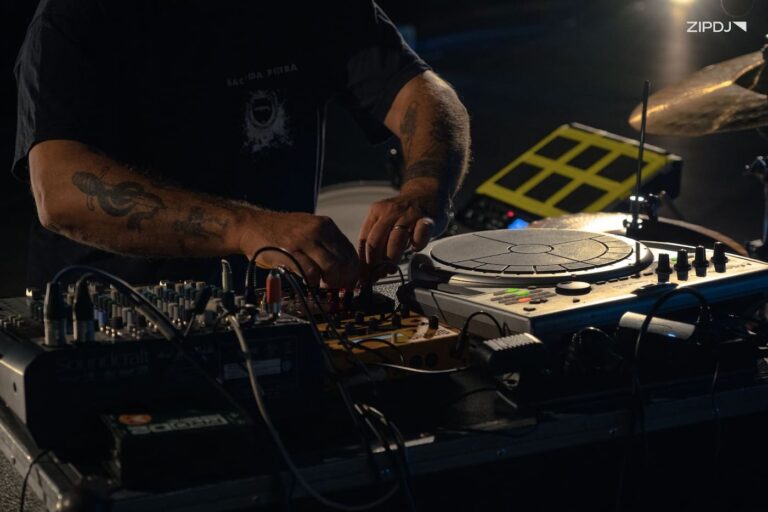
There are many excellent radio DJ tools available, including DJ decks and an audio interface, which can be used to connect them to your computer.
You’ll also need at least one condenser mic for your presentation, along with headphones and the relevant cables to connect everything.
These devices can be managed through a dedicated mixing console, which enables EQ adjustments and the muting of specific microphones.
On the software front, if you’re using audio files, consider using a music library management system to keep your songs organized and easily accessible.
Additional gear used for radio shows includes amplifiers, cameras for broadcasting footage, and an on-air light for live shows.
You can also invest in accessories like microphone boom arms, allowing for flexible positioning when hosting roundtable discussions.
Step 5: Craft Your Brand & Personality
Establishing a loyal audience requires building a recognizable brand and personality that draws them back to your show.
This involves determining your demeanor and speaking style and crafting a visual brand identity that matches this tone.
There are a few different ways to create branding elements, ranging from hiring professional graphic designers to utilizing free tools.
Platforms like Canva enable logo creation in just a few clicks, while other AI tools can also be utilized to create visual assets.
These assets can then be used for your radio show’s website and social media pages to establish your core brand identity.
It’s an excellent method for building a distinct presence and staying relevant as a DJ in the face of stiff competition.
Learn more: Discover how to get your music heard.
Step 6: Record Jingles & Idents
Most radio shows create a variety of audio content that can be used to segue from one segment to the next.
Radio jingles and idents are the most popular audio files for this process, and can be created with relative ease using basic software.
If you’re familiar with making DJ drops, the principle for jingles and idents is essentially the same, combining music and vocal snippets.
You can record a short sample of your voice announcing the show’s name and radio station, adding sound effects for additional punch.
An effective jingle typically includes music, which is often created specifically for use on a given radio show.
You can research how radio jingles are made and create one yourself, or hire a freelance music producer to create one for you.
This can be an excellent opportunity to involve local musicians in your project and promote their work on your radio show.
Step 7: Choose The Right Host For Your Own Radio Station
To start broadcasting online, you’ll need to select a hosting platform to create and manage your shows.
There are several popular options for you to consider that deliver a range of features to manage broadcasts and interact with listeners.
These include paid and self-hosted platforms, each with distinct tools and benefits tailored to your requirements.
Here are some examples of radio station hosting platforms to consider for your show:
- Radio.co: This platform delivers a robust and far-reaching platform for shows, covering everything from creating and managing episode content to scheduling and broadcasting episodes.
- Live365: Live365 places a greater emphasis on licensing for hosts, wrapped up in a streamlined and intuitive user interface.
- AzuraCast: If you’re considering a self-hosted platform, AzuraCast is a free-to-use and open-source alternative for those working with a limited budget.
- Mixxx: While primarily used as DJ software, Mixxx includes the necessary tools for broadcasting an internet radio station worldwide.
- iHeartRadio: The iHeartRadio platform offers music streaming, podcasts, and other media formats, allowing users to reach millions of potential listeners.
Before selecting a platform for your show, review user feedback and evaluate the features to ensure they meet your needs.
Step 8: Create A Pre-Recorded Test Show
Before broadcasting live shows, perform a test run in a pre-recorded environment to identify and resolve any potential issues that may arise.
This pre-recording should be conducted as if it were the real deal, using the complete setup you intend to use when live.
A test show will help you to check any technical aspects, from ensuring microphone volumes are balanced to editing software performance.
It can also be used to test signal strength and ensure the broadcast is receiving the required width of coverage.
If you’re using cameras, these should also be checked for image quality, focus, and other performance-related issues.
Another benefit of recording a test show is gathering feedback on your presentation style and clarity of delivery.
This can highlight any signs of nerves or confidence that may need to be addressed before you launch the show fully.
Once you’ve pre-recorded the episode, share it with people who can offer constructive criticism that can be used moving forward.
The pacing of the content, how each segment flows into the next, and other structural feedback can be invaluable when refining your show.
By making a list of technical and presentation issues, they can each be addressed in turn before the show’s debut.
Step 9: Line Up Topics & Guests
Planning and preparation are keys to running a successful radio show that consistently delivers high-quality content for its audience.
This means creating a clear schedule for upcoming episodes and an overview of the topics to be covered in each episode.
Whether you’re discussing music trends or the hottest artists, having a clear idea of the subject beforehand will ensure the discussion flows smoothly.
You should also create a clear schedule of upcoming guests, whether for back-to-back DJ sets on air or for interviews.
While you might not be able to match Radio 1’s famous guests, you can invite local DJs and musicians to appear instead.
A plan of action in the event they fail to turn up for their guest slot is also advisable, such as a backup topic or alternative guest.
Step 10: Promote Your Radio Show
Creating a fantastic radio show means little if it doesn’t attract an audience, so promoting it is essential for growth.
You can do this through a range of marketing strategies that can be tailored to suit your budget and existing media channels.
This can begin with setting up a dedicated website for your show where you can post information on upcoming shows and guests.
The website can also feature profiles of the hosts, resources for listeners to explore, and archived episodes of the shows.
You can share your website across your social media pages, using your online presence to promote your show for free.
Social media is optimised for music promotion, and can be used to share snippets and highlights of your show’s best moments.
Hashtags, community engagement, and the option for paid advertising campaigns all make social media a flexible tool for marketing.
There are online aggregators and directories for radio shows you can sign up for, further increasing your overall visibility.
Once your audience reaches a reasonable size, consider partnering with sponsors and utilizing their resources for additional paid promotions.
You can also engage in cross-promotion strategies with other radio stations and shows, combining your collective audiences.
Expand your playlists with a ZIPDJ subscription.
Starting A Radio Show: Essential Checklist
Launching a new radio show requires the relevant hardware, software, and other resources to ensure everything runs smoothly.
Here’s an essential checklist covering everything you’ll need when you start your radio show:
Strong Internet Connection
A stable internet connection is a core requirement of running a radio show that delivers high-quality content without any issues.
While it is possible to use mobile data for radio shows, even 4G and 5G connections through this method are unreliable.
To avoid connection issues when broadcasting your show, you should use a setup that is directly connected to your home computer’s router.
This will minimize the potential for connection issues occurring during your broadcasts, such as signal drops and inadequate roaming data coverage.
Microphones
Whether you’re hosting a radio show alone or inviting guests, you’ll need to invest in high-quality microphones to capture dialogue.
Some of the best podcasting microphones are perfectly suitable for radio broadcasting, typically utilizing the condenser microphone format.
While Shure offers industry-standard XLR microphones used by professionals, budget-friendly brands are also available.
You should also invest in a suitable microphone stand or an adjustable mount to minimize distortion when in use.
Broadcasting Platform
Another essential requirement for hosting your own radio show is a broadcasting platform, which is used to manage multiple tasks.
A broadcasting platform handles everything from playlist management and streaming live shows to managing analytics and monetization.
There are several broadcasting platforms to choose from, each offering different price points, including Radio.io, Airtime Pro, and Radiojar.
You can also work with dedicated cloud-based platforms, such as NextKast and Radioboss Cloud, which offer management and automation tools.
Radio Licensing
Using music on public platforms is an issue all DJs face, from whether they have to pay royalties to the relevant licenses for radio stations.
When setting up a radio station, you may need to acquire a license for broadcasting, depending on the nature of your show.
Traditional AM/FM radio stations are required to obtain the relevant license from the Federal Communications Commission (FCC).
For online shows, however, this license isn’t required, although laws around copyright protection and performance rights still apply.
Many radio DJs utilize a DJ record pool, which offers access to an extensive selection of tracks that can be used in their shows.
Whatever your approach, ensure you verify the radio licensing issue and other legal requirements based on your national and local laws.
Summary
Starting a radio show has never been easier, thanks to user-friendly tools for the post-production process and affordable software and microphones.
By referencing this guide, you can launch your radio show and establish a loyal listener base, sharing a fresh perspective on music.
As your audience grows, you can reach out to other DJs and artists to arrange guest appearances and DJing collaborations.
Not a member ?
Join Today for Unlimited Music Downloads. Visit zipdj.com for more information.